Best Tarot and Oracle Decks for Kitchen Magic Practice
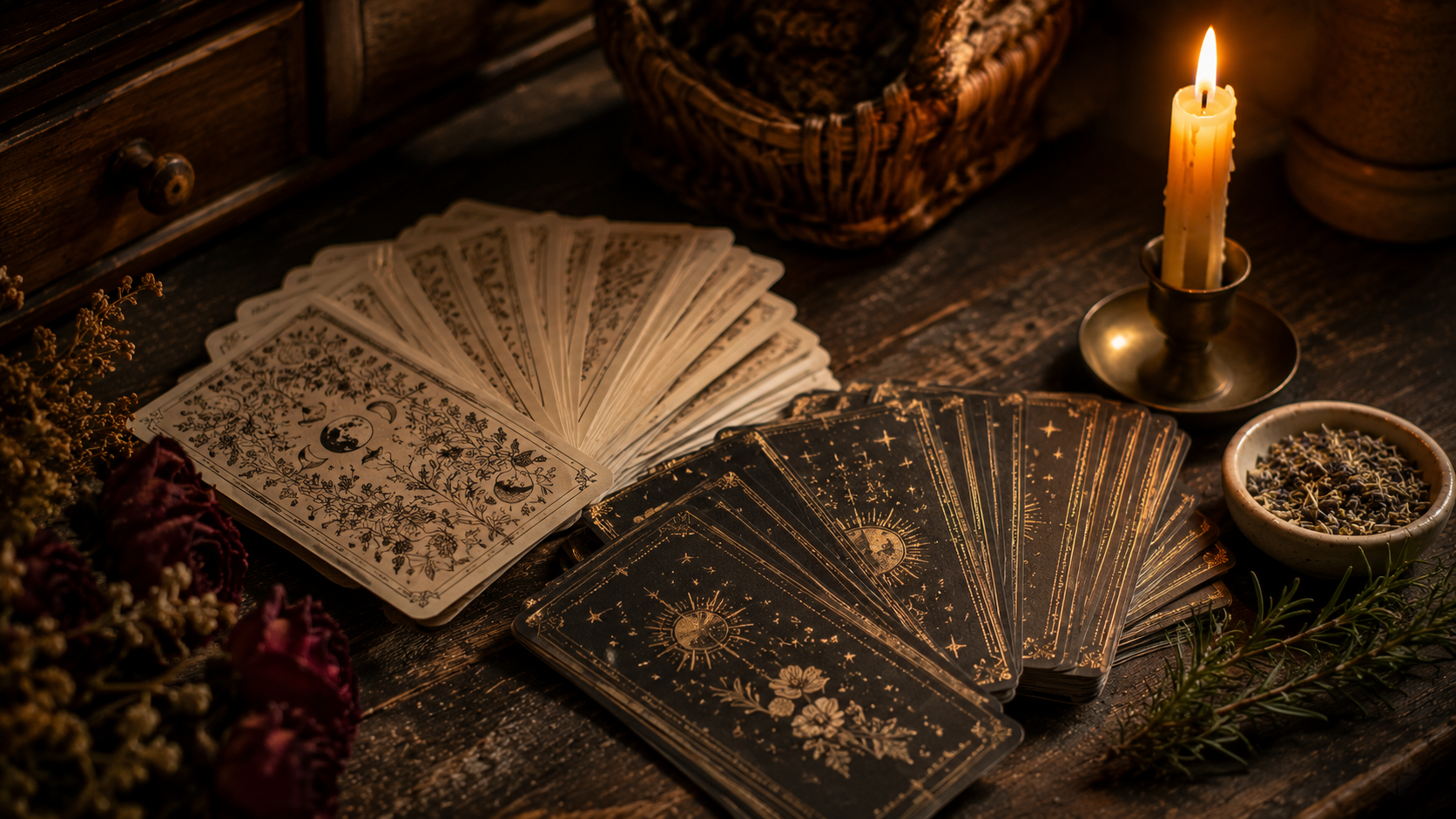
Tarot and kitchen magic might seem like two separate practices at first glance. One lives on your kitchen counter. The other usually lives in a velvet pouch on a shelf. Once you start pairing them, you realize how naturally they support each other.
A quick card pull before cooking can clarify your intention before you even open the spice cabinet. This list covers two standout decks for anyone building a kitchen centered magical practice, plus exactly how to bring tarot into your everyday cooking ritual.
A kitchen magic tarot deck is a deck whose imagery, themes, or correspondences connect naturally to hearth based practice, herbalism, or everyday domestic magic, making it easier to weave card pulls into your regular kitchen ritual. Two decks stand out clearly for this purpose, the Everyday Witch Tarot and the Herbal Tarot.
What Is a Kitchen Witch Tarot Deck?
A kitchen witch tarot deck is any deck whose art, symbolism, or structure reflects domestic, hearth centered magic, making the cards feel immediately relevant to someone practicing kitchen based folk magic. These decks often feature everyday scenes, familiar herbs, or grounded, approachable imagery instead of purely abstract or ceremonial symbolism.
This makes the cards easier to interpret quickly, which matters when you are pulling a card in the middle of cooking dinner rather than sitting down for a lengthy formal reading.
What Is the Difference Between a Tarot Deck and an Oracle Deck?
A tarot deck follows a fixed structure of seventy eight cards divided into major and minor arcana, while an oracle deck can have any number of cards with any theme, structure, or meaning the creator chooses. Tarot offers more consistency and traditional depth, while oracle decks often feel more flexible and intuitive.
Both work beautifully alongside kitchen magic. Tarot tends to suit structured, reflective questions, while oracle decks often suit quick, intuitive daily guidance.
2 Standout Decks for Kitchen Magic Practice
Everyday Witch Tarot. This deck reimagines traditional tarot through warm, approachable, everyday witch scenes, complete with a cat on every card. It follows a familiar structure, making it easy for beginners to learn while still feeling personal and grounded in ordinary life. [AFFILIATE LINK: Everyday Witch Tarot listing]
Herbal Tarot. Built specifically around herbal correspondences, this deck pairs each traditional tarot card with a specific medicinal or magical herb, based on astrological and folkloric associations. It is an ideal choice for anyone whose kitchen magic practice already centers on herbs and correspondence work. [AFFILIATE LINK: Herbal Tarot listing]
Both decks offer a full seventy eight card tarot structure, meaning you get traditional depth alongside a theme that feels immediately relevant to kitchen based practice.
A Closer Look at the Everyday Witch Tarot
This deck was created by author Deborah Blake and artist Elisabeth Alba, blending a medieval fantasy feel with modern, relatable scenes. Every card features a black hatted witch going about ordinary life, along with a cat tucked somewhere in the artwork. The cardstock is thin and easy to shuffle, which matters when you are pulling cards quickly between kitchen tasks rather than sitting for a long, formal session.
A Closer Look at the Herbal Tarot
Created under the direction of herbalist Michael Tierra with art by Candice Cantin, this deck assigns a specific herb to every card based on astrological correspondence, traditional herbal use, and folklore. The included guidebook explains each herb's common name, scientific name, and traditional uses for body, mind, and spirit, making it as much an herbal reference as a tarot deck.
How Do I Use Tarot Cards in My Kitchen Magic Practice?
You use tarot in your kitchen practice by pulling a single card before cooking to clarify your intention, then choosing an herb or ingredient that reflects or supports the card's message. For example, pulling a card associated with abundance might guide you toward cooking with cinnamon or basil that evening.
This simple pairing turns two separate practices into one connected ritual, making both feel more intentional and less like separate, disconnected habits.
A Simple Tarot and Kitchen Magic Ritual
Try this short ritual the next time you cook a meal with intention.
Shuffle your deck while thinking of a general question, like "What does my home need tonight?"
Pull one card and take a moment to notice your first, immediate impression of it
Look up the card's meaning if you are still learning, or trust your intuitive read if you feel confident
Choose one herb or ingredient from your correspondence guide that reflects the card's message
Cook your meal with that ingredient, holding the card's message in mind
Keep the card visible on your counter while you cook, then journal one sentence about the experience afterward
This ritual takes only a few extra minutes but adds real depth and reflection to a meal you were already planning to make.
How Do I Choose My First Tarot Deck?
You choose your first tarot deck by paying attention to which artwork feels most inviting and easy to connect with, since a deck you enjoy looking at is far more likely to become part of a lasting practice. Traditional structure matters less at the beginning than a genuine, intuitive pull toward the imagery.
If your practice already centers on herbs and correspondences, the Herbal Tarot may feel like a natural extension of work you are already doing. If you want a warmer, more approachable entry point into tarot generally, the Everyday Witch Tarot offers a gentle, welcoming starting place.
Why Do I Feel Drawn to One Deck's Art Style Over Another?
Feeling drawn to a specific art style usually reflects what already feels emotionally safe and familiar to you, since tarot works best when the imagery invites genuine connection rather than distance or confusion. A deck that feels intimidating or overly abstract will be harder to build a consistent practice around, no matter how traditionally respected it is.
Trust this instinct the same way you would trust a pull toward a specific herb. The deck that feels most alive in your hands is usually the right one to start with.
Should I Buy a Themed Deck Like Herbal Tarot, or Start With a Traditional Style Deck?
Either choice works well, and the decision mostly comes down to whether you want a deck that reinforces an existing practice or one that teaches traditional tarot structure from the ground up. The Herbal Tarot works beautifully for someone already comfortable with correspondence work, since it reinforces those connections directly.
The Everyday Witch Tarot works well as a genuinely beginner friendly option, since its familiar, approachable imagery still follows traditional tarot structure underneath the warm, witchy artwork.
Do I Need to Know Tarot Already to Use the Herbal Tarot?
No prior tarot experience is required to start with the Herbal Tarot, since the included guidebook explains both the traditional card meaning and the herbal correspondence side by side. Many beginners actually find it easier to remember card meanings when they are tied to a tangible, familiar herb rather than abstract symbolism alone.
Common Mistakes When Choosing a Tarot Deck
Buying a deck based only on popularity instead of your own personal reaction to the art
Expecting to memorize every card meaning before your first reading
Ignoring the little book that comes with most decks, which often holds real, useful guidance
Switching decks constantly instead of building familiarity with one deck first
Overcomplicating a simple daily pull with unnecessary extra steps
A single deck used consistently will always teach you more than several decks used only occasionally.
A Word From Cleo
I keep my Herbal Tarot deck in a small basket right on my kitchen counter, close enough to reach without thinking twice. Some mornings, I pull one card before I even start the coffee. It takes thirty seconds, but it changes the entire tone of how I move through my kitchen that day. That is the real value of pairing tarot with kitchen magic. It turns a quiet morning habit into something genuinely reflective.
Caring for Your Tarot Deck
Once you choose a deck, a little care helps it stay a meaningful working tool rather than just a stack of cards in a drawer. Keep your deck somewhere visible in your kitchen space, the same way you would keep a correspondence guide or a favorite mug. Handle the cards regularly, even outside of formal readings, so the deck starts to feel like a natural extension of your daily routine.
Some practitioners like to cleanse a new deck with a bit of smoke or a few minutes near a clear crystal before their first reading. This step is optional, but many find it helps the deck feel personally attuned before its first real use.
What If I Pull a Card I Do Not Understand?
It is completely normal to pull a card that feels confusing or unclear, especially early on. Rather than forcing a rigid interpretation, sit with the image for a moment and notice your first honest reaction before consulting the guidebook. Sometimes the confusion itself is meaningful, pointing toward a situation in your life that genuinely feels unclear right now. Give yourself permission to simply note the card and revisit it later, rather than needing an immediate, perfect answer.
Bringing Tarot Fully Into Your Everyday Practice
Tarot does not need to feel separate from your kitchen magic practice. A quick pull before cooking, a card kept visible while you work, or a weekly reflection card placed near your correspondence guide all weave the two practices together naturally.
Start small. One card, one honest question, one moment of reflection before you begin cooking. That single habit, repeated consistently, builds a surprisingly rich practice over time.
If you are ready to bring tarot into your kitchen ritual, explore the Everyday Witch Tarot and Herbal Tarot listings linked above, and pair either deck with the Southern Folk Magic Correspondence Guide for a complete, connected practice.